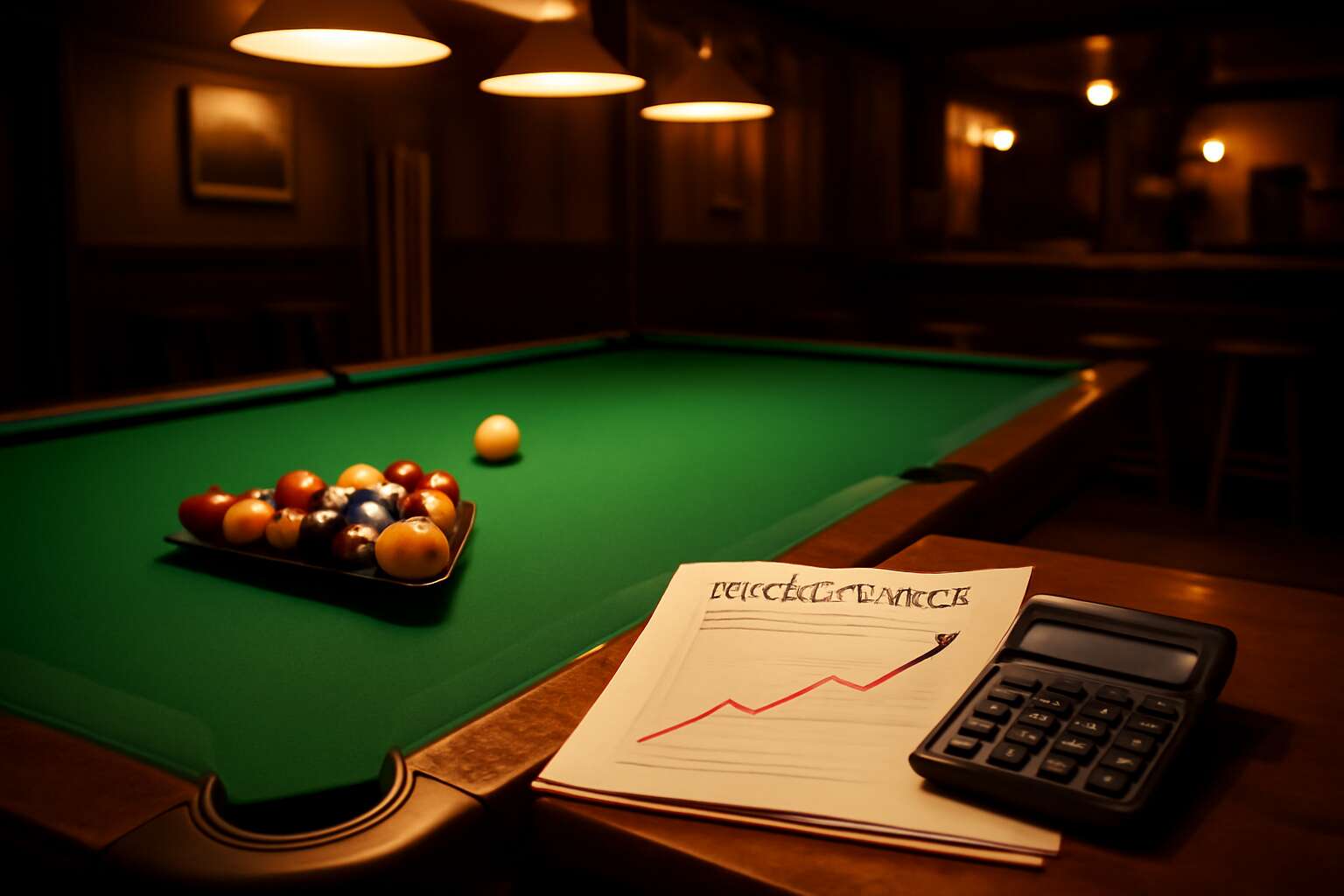
Cost considerations for regulated pool table operations
Regulatory framework overview
Cost drivers for compliance and licensing
Regulated pool table operations don’t just swing cues; they swing budgets. In South Africa, the cost of regulation pool table isn’t a single fee—it’s a steady drumbeat of renewals, safety checks, and responsible gaming training. The savviest venues bake these obligations into daily operations, not a nasty surprise after closing time.
Cost drivers for compliance and licensing include:
- Licensing fees and renewal cycles
- Inspections and audits by gaming authorities
- Staff training on responsible gaming and safety
- Insurance, security, and incident response costs
- Records, reporting systems, and IT compliance
These elements shape the true price tag behind the cost of regulation pool table operations, balancing risk with guest experience.
Insurance, risk, and liability costs under regulation
In South Africa’s hospitality scene, a single incident can echo louder than a rack of balls. “Regulation isn’t a tax on fun—it’s a safety deposit on your license to operate,” says a veteran SA venue manager. The cost of regulation pool table shows up in renewals and safety drills, not after closing time.
Insurance premiums mirror risk appetite and venue size, while liability coverage grows with incident response and security requirements. These are ongoing costs, woven into daily operations rather than treated as quirks of the job.
- Public liability and employers’ liability insurance
- Security and incident response protocols
Taken together, these factors shape the true price behind regulation costs for pool tables, balancing risk with a confident guest experience.
Operational cost implications of rules
Operational cost considerations for regulated pool table operations don’t just appear on the invoice with the word ‘regulatory.’ They creep into the daily budget as surely as a chalk dust trail across felt. The cost of regulation pool table sits in renewals and drills, not after closing time—it’s the quiet ledger entry that keeps the balls from misbehaving. I’ve watched South African venues juggle compliance calendars the way a busy barman handles a rush: training, safety drills, incident-response planning, and the creeping drift of licensing fees. These ongoing costs touch staffing, maintenance, and the glow of energy-efficient lighting.
- Staff training and safety drills
- Play-area equipment maintenance and checks
- Licensing renewals and audits
Done well, it translates into smoother operations and a guest experience that feels effortless rather than governed. The bottom line is that regulated pool table operations balance risk with rhythm, keeping the room lively and compliant without crushing the vibe.




0 Comments