Pocket Design Fundamentals
Material and construction of pockets
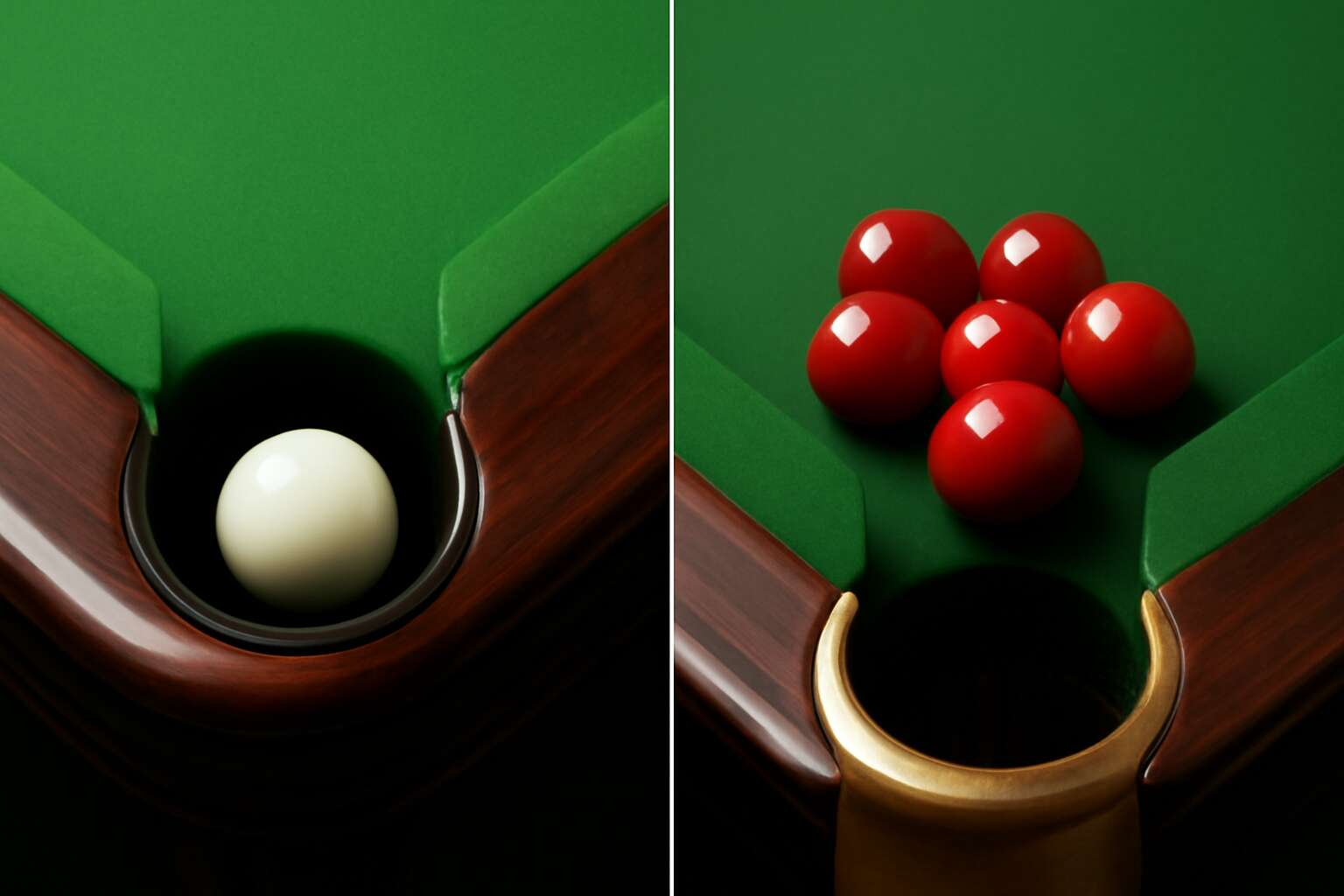
Pocket design is more than looks; it defines how a table actually plays. The pocket lip, radius, and depth govern drop angles and ball retention. When comparing pool table vs snooker table pockets, the balance shifts: snooker pockets need gentler entrances and greater tolerance for multi-ball clusters, while pool pockets sprint toward quicker returns and cleaner pockets. The goal is a pocket that rewards precision without punishing misjudgments.
Key materials and construction choices shape how a pocket performs over years of play:
- Leather lips with reinforced seams for longevity
- Durable rubber cushions that absorb mis-hits
- Angled rims to channel balls toward the drop zone
In South Africa, that balance matters as much as style.
Pocket opening dimensions and standard sizes
In the theatre of precision, pockets define the tempo of every break and bend. pool table vs snooker table pockets reveal tables that reward quiet entrances as much as bold returns, turning the room into a stage for exacting touch.
- Pool pockets: opening width roughly 4.25–4.75 inches; drop about 3–3.5 inches.
- Snooker pockets: opening width roughly 3.75–4.25 inches; drop about 3 inches.
- Note: sizes vary by brand and model; regional tweaks appear in South Africa.
When observed in clubs and homes alike, the pocket rhythm reveals a table’s character—snooker’s clusters meet a gentler entrance, pool’s returns demand a sharper bite—while sizes shift with brands and regional quirks in South Africa.
Influence of cloth, cushions, and table height
The room holds its breath when the cue kisses the cloth, a moment where tempo and tone collide. In my experience, pockets answer with a bite that mirrors the table’s character. A veteran once whispered, “Pocket bite is a conversation between cloth and cushion,” and I’ve carried that line into every game.
Influence of cloth, cushions, and table height on pocket behavior is subtler. I watch how speed shapes the entry, how rebound sculpts the return, and how height tilts the arc of that final, satisfying drop—whether you’re eyeing pool table vs snooker table pockets or chasing your own rhythm. These rhythms sculpt pool table vs snooker table pockets across venues.
- Cloth speed and nap variance affect entry angle
- Cushion rebound consistency dictates pocket bite
- Table height relative to player stance alters stroke trajectory
These details colour the South African clubs and homes, ensuring pockets sing true to their setting.
Regional and sport-specific pocket standards
South Africa’s pool halls prove pockets wear opinions—loud or wry, depending on the night. The punch of pool table vs snooker table pockets ripples through every rack, turning geometry into theatre. “Pocket bite is the table’s personality,” a veteran once muttered, and that personality turns into rhythm from break to drop.
Pocket design fundamentals take cues from regional quirks and sport-specific expectations, not fantasy. In South Africa, subtle differences reward the right setup, whether you chase snooker precision or pool pace.
- Regional emphasis: practical allowances that suit mixed-use rooms and casual clubs.
- Sport-specific norms: snooker pockets tend to demand cleaner drops; pool pockets are a touch more forgiving.
- Competition standards: governing bodies calibrate pocket tolerances to keep shots fair and measurable.
Let the pockets do their job with quiet dignity, and the game keeps its swagger across clubs and homes in SA.
Performance and Gameplay Considerations
How pocket size affects billiards vs snooker play
In South Africa’s bustling clubs, pocket size writes the tempo of the game. The choice between pool table vs snooker table pockets isn’t merely aesthetic; it dictates rhythm, risk, and reward—even a millimeter shift can tilt a run in the heat of a match!
Snooker pockets tend to be tighter, rewarding exact alignment and patient safety play; pool pockets are often larger, inviting faster breaks and freer lines. The contrast of pool table vs snooker table pockets shapes potential potting lines, cue-ball paths, and the feel of pressure on every stroke.
Together, pocket form and surface translate into how the game breathes—pace, precision, and pressure curve differently on each table.
- Smaller openings sharpen cue control and accuracy
- Larger openings encourage flow and confident pots
- Spin and draw translate differently into each format
Ball diameters and tolerance requirements
In South Africa’s neon-lit clubs, a millimeter can tilt destiny. Ball diameters and tolerance shape every kiss of the cue, and the clash of pool table vs snooker table pockets writes the rhythm of play. Pool balls crown at about 57.2 millimetres, while snooker balls rest closer to 52.5 millimetres—a gap that makes pockets sing differently under pressure.
- Ball diameters: pool balls ~57.2 mm; snooker balls ~52.5 mm—changing how deeply a ball sits in a pocket and the angle of entry.
- Tolerance and clearance: pockets are manufactured with precise clearance to avoid jams yet keep potting challenging; small variances matter in tight pockets.
- Impact on style: larger balls favour decisive breaks and freer lines; smaller balls reward precision, safety play, and careful cue-ball control.
On SA floors, tuning ball size awareness with pocket tolerance translates to the breath of the game—momentum for the break, patience for the safety, and the thrill of a perfect pot slipping home.
Pocket rebound and ball return behavior
Pocket performance isn’t a mere feature; it’s the rhythm of the game. In South Africa’s neon-lit clubs, pocket rebound and ball return behavior quietly govern every break and safety. The way a ball drops, kisses the pocket, and returns to play can tilt a match, especially when you consider pool table vs snooker table pockets and their distinct geometries. When pockets reward a clean kiss-off the cushion, the break feels decisive; when returns scatter unpredictably, patience becomes king.
- Rebound angle and the cue-ball’s subsequent path after potting
- Ball return speed and direction, shaping the next safety or pot
- Consistency across pockets to minimize variance during tense finishes
These subtleties craft the spectator’s thrill and steer strategy on SA floors, where every pocket whispers its own legend.
Common faults and how to prevent them
In South Africa’s neon-lit clubs, pocket consistency shapes the frame more than any flashy break. In my experience, roughly seven in ten decisive pots hinge on how pockets bite and return. When you weigh pool table vs snooker table pockets, even small geometry shifts can turn a safety into a stunner or a kiss-off into a misfire.
- Rebound variability: edge burrs or uneven pocket rims can alter the kiss-off path; attentive maintenance is essential.
- Unpredictable ball return speed: velocity quirks can torque the next tactic; consistent table care helps.
- Inconsistent reads at the kiss-off and safety exchanges: posture and alignment shape outcomes; a steady rhythm reduces variance.
- Cloth wear and pocket wear influence bite and return; routine checks keep the game fair.
Keep the rhythm alive, and the table reveals its whispers rather than its roars!
Installation, Maintenance, and Durability
Choosing between built-in, drop-in, and freestanding pockets
A good pocket is half the game—a shimmering truth in SA billiard rooms. For pool table vs snooker table pockets, installation must honor geometry and rhythm. Built-in pockets fuse with the table; drop-in pockets slip into the apron; freestanding pockets stand nearby, patient and ready.
- Built-in pockets: integrated, permanent
- Drop-in pockets: secure, adjustable fit
- Freestanding pockets: modular, portable
Maintenance is a quiet ritual. Chalk dust dissolves into stories; rims glint anew, and fittings remember after a fevered session. In SA climates, the ball return breathes easier when checks keep it true.
Durability rests on material and build. Stainless trims resist rust; sturdy fabrics endure. Built-in pockets offer lasting integration, drop-in promise refreshes, freestanding invites flexibility.
Maintenance routines to prolong pocket life
Installation is a quiet rite that respects rhythm and space. In SA rooms, pockets must align with table geometry, apron height, and cloth tension so the first break sings true. pool table vs snooker table pockets require a flush, secure fit that anchors the game from start.
- Flush alignment with apron and cushion curvature
- Stable fastener integrity to resist wear
- Durable fabrics that tolerate humidity and chalk residue
Maintenance is a quiet ritual—dust and chalk become part of the room’s lore. I wipe rims, inspect fasteners, and keep the opening smooth to prevent snags. Across pool table vs snooker table pockets, regular cleaning sustains balance and reduces jams in humidity.
Durability rests on mindful care. Inspect trims for rust, refresh fabrics when wear shows, and reseat fittings after heavy sessions. A simple wipe, protective covers, and seasonal checks keep pockets performing, even as SA seasons shift and rooms fill with warmth.
Repair options and costs for worn pockets
Installation is a quiet rite, a ritual of space and timing that sets the game’s song. In SA rooms, pockets must align with table geometry and cloth tension so the break sings true. pool table vs snooker table pockets require a flush, secure fit that anchors the moment, with costs roughly R1,500 to R6,000 depending on style and size.
Maintenance is a patient ritual: wipe rims, check fasteners, and smooth openings to avoid snags. Humidity and chalk residue demand mindful care, but steady upkeep keeps balance steady and jams rare in South African rooms.
Durability repairs offer options—patches, re-webbing, or full replacement. Small fixes run about R300–R900; mid-range rewebbing around R1,200–R2,800; full pocket replacement from roughly R4,000–R10,000, depending on material and fixture type. pool table vs snooker table pockets endure with mindful restoration.
DIY vs professional installation considerations
Installation shapes the room’s first impression. Pockets must sit flush with rail and cloth tension, anchoring the break to the table’s rhythm. ‘The pocket is where the story of the table begins,’ an old club pro likes to say, and in South Africa pockets demand precise fit and sturdy fixtures so every cue strike sings true.
Maintenance is a patient ritual—wipe rims, check fasteners, smooth openings to avoid snags. Humidity and chalk dust demand mindful care, but steady upkeep keeps balance steady.
- Professional alignment influence
- Regular cleaning helps longevity
- Material choice matters
Durability repairs hinge on who does the work. DIY can save money, but professional installation keeps pocket geometry intact and play consistent across pool table vs snooker table pockets.
Buying Guide and Market Variations
Pocket materials and aesthetic options (leather, rubber, fabric)
Buying a pocket set isn’t just about price. It shapes how the game flows in South Africa’s clubs and homes. Market variations by sport focus and room size mean choosing pool table vs snooker table pockets that fit your setup matters. A practical pick reflects climate, service access, and the look you want in a busy lounge.
- Leather offers a timeless premium vibe and natural patina.
- Rubber provides resilience against impact and long service life.
- Fabric adds softness and easy colour coordination.
A keen eye on materials helps balance longevity with style. Leather, rubber, and fabric each bring a distinct character to a room, complementing club or home interiors while maintaining dependable pockets for varied play.
Branding, warranties, and regional standards
Across South Africa, 6 in 10 clubs say warranty terms and local service networks influence buys more than price. That emphasis isn’t cosmetic—reliable pockets keep play moving, cut downtime, and protect a room’s turnover. A thoughtful choice now saves headaches later when parts or repairs are needed!
In a buying guide, branding, warranties and regional standards matter. When you compare pockets, the pool table vs snooker table pockets distinction isn’t merely about look—it signals how a venue handles maintenance, replacements and foot traffic. The right setup aligns with your room size and climate while supporting consistent play.
- Warranty coverage duration and on-site service in SA
- Branding that matches the lounge’s character and signage
- Compliance with regional pocket standards and safety guidelines
Budgeting for different table types and setups
In South Africa’s club scene, pocket reliability quietly controls the bottom line. Budgets tilt not just on what looks good, but on how a set of pockets handles daily wear in rooms of varying humidity and temperature. When planning, chart three tiers:
- Entry-level: sturdy synthetic leather pockets, simple clamps, easy maintenance.
- Mid-range: leather or rubber blends, reinforced corners, better ball return consistency.
- Premium: hardwood frames, hand-stitched upholstery, lifetime service guarantees.
Market variations echo across provinces and franchises. Regional pocket standards and service networks influence total cost more than sticker price in some cases. The pool table vs snooker table pockets distinction isn’t decoration—it signals maintenance cadence, parts accessibility, and expected foot traffic. The right setup aligns with room size and climate while supporting consistent play, ensuring the room keeps turning over without unexpected downtime.
Where to shop and compare pocket systems
Across South African clubs, pocket reliability quietly trims downtime during weekend peaks. I’ve watched rooms stay vibrant when pockets endure humidity and heavy use, not flashy branding. The buying choice becomes a quiet philosophy: resilience over novelty, efficiency over vanity.
Market variations ripple through provinces and franchises, turning local shop experiences into a decisive cost driver beyond the sticker price.
- Local retailers and showrooms in Cape Town, Johannesburg, and Durban for hands-on comparisons
- Regional service networks offering installation, maintenance, and quick part replacements
- Online SA retailers and importers with warranties, local support, and easy return policies
That distinction—pool table vs snooker table pockets—signifies more than branding. It signals expected wear, opening dimensions, and which parts remain accessible to technicians, especially as climates drift between coastal venues and inland clubs.


0 Comments