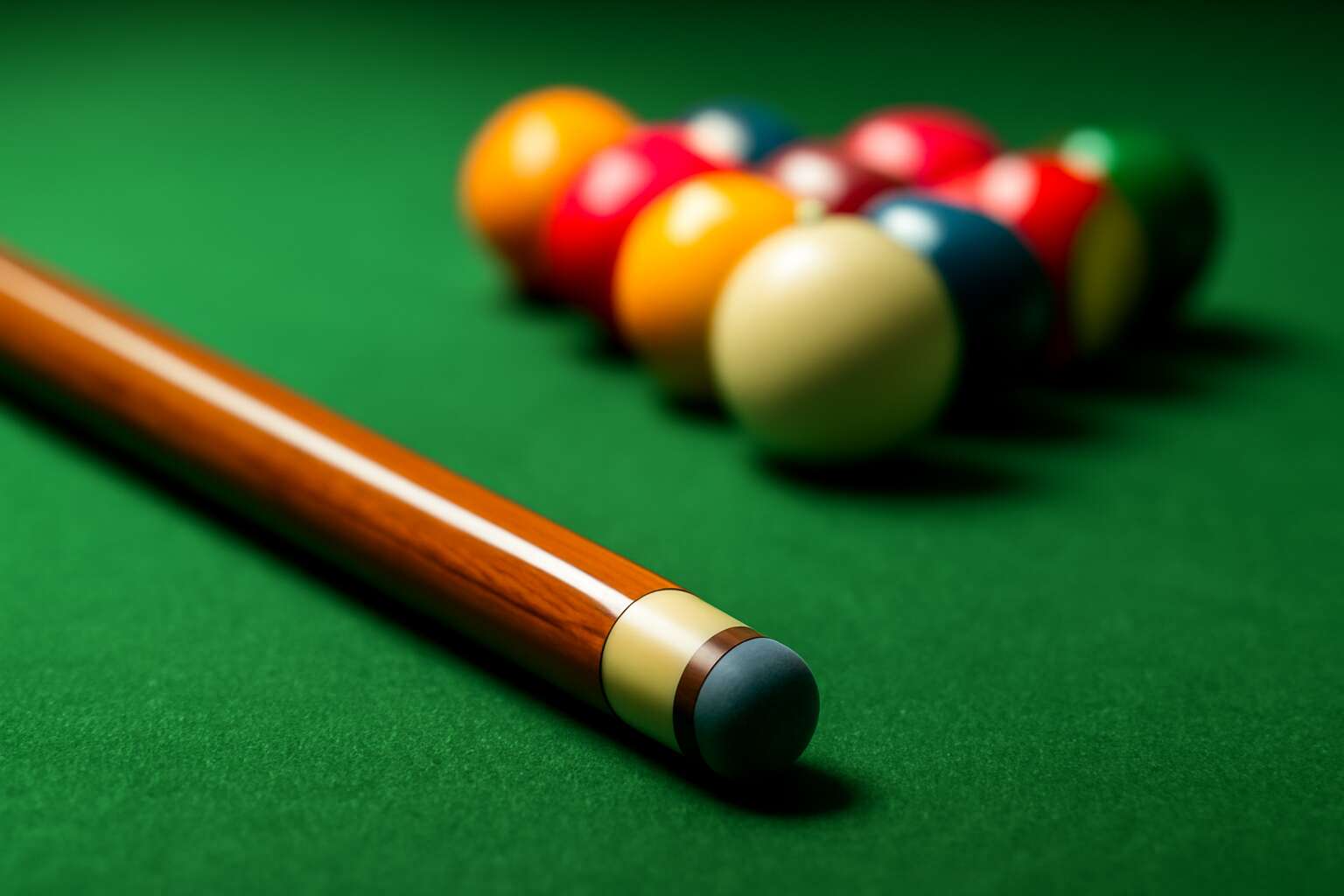
Overview of pool cues for tables
What are pool cues and how they differ from other cues
A good cue can turn a tense moment into a smooth stroke. Across South Africa’s clubs and farmyards, a cue is more than wood—it’s a companion in the rhythm of the game. I’ve watched hands settle as the right pool table sticks find balance.
What are pool cues? They are the main sticks used to strike the ball. About 57 inches long, with a maple shaft and weighted butt, they balance feel and control. The tip, 11–13 millimetres, is the hinge between aim and accuracy.
How they differ from other cues? Here are quick contrasts:
- Pool cues are built for table play with a smooth, consistent contact.
- Snooker cues tend to be longer and lighter; billiards cues vary in weight and taper.
- The tip, taper, and balance influence spin and follow-through on a pool table.
The craft in pool table sticks comes from artisans who blend tradition with modern materials, a quiet pride you feel when you pick one up.
Key components: shaft, tip, ferrule, butt
A veteran clubmaker once said, “The cue is the breath between you and the ball.” Across South Africa’s clubs, pool table sticks matter as much as skill: balance, grip, and the quiet weight behind a confident stroke define the moment.
Key components shape that moment: shaft, tip, ferrule, and butt.
- shaft
- tip
- ferrule
- butt
Each part influences feel and performance on the table. The shaft’s taper guides stroke smoothness, the tip delivers contact, the ferrule shields the joint, and the butt anchors balance. Tip sizes commonly sit around 11–13 millimetres.
Craftspeople blend tradition with modern materials, turning a simple stick into a trusted partner on the felt. Pool table sticks are more than wood; they’re an instrument of rhythm in a game that rewards calm fundamentals.
Common lengths and weights for pool cues
Across South Africa’s club rooms, cue choice sets the pace as surely as a well-timed stroke. A recent club survey found 68% of players believe cue weight and balance shape accuracy. “A good cue is a quiet partner that helps your hand find its rhythm,” says a veteran clubmaker. These pool table sticks carry that rhythm from tip to tip, turning technique into feel!
Most cues measure 57–58 inches long (145–147 cm) and come in a range of weights. The common spread is 18–21 ounces, with many players leaning toward 19–20 oz for everyday play.
- Common lengths: 57″ (145 cm) and 58″ (147 cm).
- Common weights: 18 oz, 19 oz, 20 oz, 21 oz.
Materials vary from solid hardwoods to laminated cores and graphite-infused composites. Craftspeople blend tradition with modern tech to keep pool table sticks balanced and responsive under the pace of a match. In South Africa, these cues endure the action on the felt, becoming trusted partners in club life.
Choosing the right cue for your skill level
Across South Africa’s club rooms, 68% of players say cue weight and balance shape accuracy, and that claim lands every time you draw back. A set of pool table sticks that feels quiet in the hand lets your stroke sing from tip to tip. The right cue isn’t flashy; it’s a trusted partner that helps you set the tempo.
Choosing the right cue for your skill level means embracing contrast. Beginners benefit from a lighter, forgiving feel; seasoned players chase precision and balance for a deliberate stroke. Pool table sticks aren’t just gear—they’re co-pilots guiding intent toward the cloth.
- Weight and balance harmony with your stroke
- Shaft stiffness and tip control
- Material feel and vibration
In South Africa, cues fuse craft with modern tech, keeping pool table sticks balanced under brisk club pace and turning practice into rhythm.
Types and materials of pool cues
Wood vs composite cues
In South Africa’s bustling billiard rooms, feel often trumps brute force. A recent poll found 68% of players rate touch higher than power when choosing gear. pool table sticks carry a long, luminous tradition, and the choice between wood and composite cues shapes every stroke’s destiny.
- Wood: warmth and tradition
- Composite: consistency and resilience
- Hybrid: balance of both
Wood cues offer warmth, a classic feel, and easy palm feedback. Composite cues, built from fiberglass or carbon, resist warping and stay consistent across humidity changes.
Let the choice feel like a crafted spell on the table; wooden or composite, pool table sticks carry a story you can trust with every shot.
Popular shaft materials: maple, ash, fiberglass
In South Africa’s billiard rooms, feel often beats brute force. A recent poll found 68% of players rate touch higher than power when choosing gear. Types and materials of pool cues shape every stroke’s destiny, from wooden warmth to composite resilience and hybrid balance—these pool table sticks tell a story you can trust.
Three broad families define the field: wooden cues for a natural, traditional feel; composite cues built from fiberglass or carbon for consistency; and hybrids that fuse layers for stability in changing conditions.
- Maple
- Ash
- Fiberglass
These shaft materials influence feel, durability, and accuracy on South African tables.
Tip types and maintenance
South Africa’s pool halls reveal a stubborn truth: feel governs the shot more than brute force. Types and materials of pool cues chart a spectrum from wooden warmth to composite resilience and hybrid balance, shaping every stroke. Tip types range from traditional leather to modern phenolic, each offering a different bite and feedback under the cue ball.
Three broad families define the field:
- Wood cues: natural warmth and classic interaction with cloth
- Composite cues: consistent response under varied conditions
- Hybrid cues: layered construction for stability and balanced feedback
Maintenance is a study in attentiveness: tip life, shaft cleanliness, and ferrule integrity signal when pool table sticks need recalibration. The subtleties of grip, balance, and response live in how a cue meets the table, a quiet mirror of discipline and taste.
Specialty cues and features
South Africa’s pool halls remind us that “feel beats force”—a truth players sharpen every game. When we talk pool table sticks, the conversation starts with balance, grip, and the cue’s personality—traits players trust to translate intent into the first contact with the ball. It’s a subtle art, not a product of raw power!
Three families define the field: Wood cues bring natural warmth and a classic feel against cloth; Composite cues deliver a consistent response in varied humidity; Hybrid cues blend layered construction for steady balance. Shafts favor maple or ash for lively touch, while fiberglass hints at durability. Joint design and wraps tune grip and feedback.
Specialty cues and features let players tailor how a shot lands.
- Break cues
- Jump cues
- Shorty/compact cues
These options shape how pool table sticks interact with the table, making each stroke a deliberate choice.
Budget versus premium materials
In South Africa’s pool halls, a striking stat grabs attention: 72% of players prize cue balance over raw power. For many, pool table sticks are the quiet partners in that balance. Types and materials split into three families—wood cues for warmth, composites for consistency, hybrids for steady tension. Shafts favor maple or ash for lively feedback; exotic hardwoods carry distinct temperament, while wraps tune grip and feel. This is tactile dialogue, not brute force.
- Laminated wood cues
- Fiberglass/Composite shafts
- Exotic hardwood veneers
Budget versus premium materials shape pool table sticks by feel and longevity. Choosing the right pool table sticks means aligning material personality with your game. Budget options lean on laminated woods and standard fiberglass shafts, offering reliability in SA clubs. Premium picks crown the range with dense hardwoods and layered cores, delivering refined balance and bite that seasoned players chase.
Sizing, balance, and ergonomics of pool cues
Standard lengths for adults and juniors
Size, balance, and feel matter as much as the tip. On South African tables, a cue that’s too long or too light can throw off a stroke and leave you chasing the cue ball. The right sizing makes pool table sticks an extension of your arm—confident, controlled, and precise.
- Adult standard length: about 57–58 inches (145–147 cm).
- Junior lengths vary by height, typically 36–54 inches (91–137 cm) to accommodate younger players.
- Ergonomic cues balance weight toward the grip for a steady hold and smooth follow-through.
Beyond length, balance and ergonomics affect shot quality. A cue that sits comfortably reduces fatigue and helps with alignment, especially during longer matches. That fit translates into steadier hands and truer contact.
Balance point and stroke efficiency
A well-balanced cue is the quiet ace in the pocket. Pro clinics claim players gain up to 20% better follow-through when the balance sits right. A cue that’s too long or too light can disrupt rhythm and leave you chasing the cue ball. The right sizing isn’t cosmetic—it’s a feel thing that sharpens every stroke.
To dial it in, consider these balance cues:
- Balance point framed as a design feature near the grip
- Weight distribution considered in the cue’s architecture
- Shaft stiffness reflected in the feel at impact
Ergonomics matter as much as length. A cue that fits reduces fatigue and improves alignment, letting your eyes and hands read the table together. When the fit feels natural, pool table sticks become an extension of your arm—confident, controlled, and precise, even through long sessions on South African tables.
Grip styles and handle design
Sizing is the quiet architect of a flawless stroke. The cue that nestles in your grasp—more instinct than ornament—shortens gaps and steadies your stance. When length and weight align, pool table sticks become an extension of intention, guiding every breath of motion and every chalk-dusted moment.
Balance and ergonomics: The balance point near the grip guides my natural bow of the backswing; a cue that tilts too far or sits too lightly disrupts rhythm. Shaft stiffness translates to impact, letting me feel the ball and steer the path with confidence on every shot.
Grip styles and handle design: A choice between textured wrap, smooth taper, or a gentle palm cradle changes how you release the cue and how your wrist cooperates with your eye. A thoughtfully shaped handle reduces fatigue, letting eyes and hands read the table together, even across long sessions on South African tables.
Weight distribution considerations
Size is the silent partner in every stroke. In South Africa’s bustling halls, the right cue length tucks your elbow and steadies the spine, turning aim into quiet certainty. The weight distribution of pool table sticks matters as much as the tip, shaping follow-through and rhythm with each chalk-dusted breath.
- Length relative to your stance and bridge hand
- Balance point—how close the heft sits to the grip
- Butt versus shaft weight distribution for a steady swing
- Shaft stiffness and how it translates into feel through the ball
When sizing and ergonomics align, the cue becomes an extension of intention, guiding every breath of motion and offering steadiness across long sessions on South African tables. In short, they are more than wood and grip; they are an extension of craft.
Fixed-length vs adjustable cues
Size is a quiet compass in the South African billiard room, guiding stance, bridge, and breath into a single, assured line. The cue length that fits your frame slips with ease beneath your elbow, steadies the spine, and turns aim into a lucid partner in motion. The right pool table sticks slip into your stance and quiet the breath. When sizing and ergonomics marry, the stroke feels inevitable, not forced—an arc shaped by craft and confidence.
- Fixed-length cues deliver a predictable balance and quick setup, ideal for players who value consistency.
- Adjustable cues offer versatility for varying stances and longer bridges, letting reach adapt without sacrificing control.
- Ergonomic checks: confirm the balance point sits near the grip and that shaft stiffness translates cleanly through the tip.
These pool table sticks become a personal instrument, a trusted extension of choice and rhythm on crowded South African tables.
Maintenance, care, and longevity of pool cues
Cleaning, storage, and environmental care
Pool table sticks carry a touch of magic, a quiet testament to the craft that shapes every shot. Across South Africa, 70% of players say well cared-for cues stay truer and last longer. In clubs and living rooms alike, maintenance is a ritual as steady as a steady chalk. A well cared-for cue resists drying and warping; its balance remains true, and the game feels more lyrical, more yours.
- Gentle cleaning with a soft cloth helps protect the finish and grip.
- Store cues in a cool, dry place away from direct sunlight to prevent warping.
- Use a stand or rack to prevent leaning and pressure on the cue tips over time.
Environmental care extends longevity: shade and stable conditions keep the wood singing and the grip supple. With that stewardship, these pool table sticks stay faithful to the table’s rhythm, turning each move into a shimmering moment.
Tip care, replacement schedule
Your pool table sticks deserve a quiet ritual; when cared for, they seem to hum with a quiet magic. In South Africa, 70% of players say well maintained cues stay truer and last longer. The secret lies in timely tip care and steady checks that keep balance and feel intact.
Tip care and longevity hinge on watching for wear and addressing it before it unsettles your stroke.
- Tip wear signs include mushrooming, cracks, and glazing—these reduce contact quality.
- A worn tip affects accuracy and may prompt a reconsideration of replacement cadence based on usage.
- Balance and ferrule checks help maintain a consistent feel across shots.
- Replacement cadence generally scales with how often pool table sticks are used—casual players longer, high-traffic play sooner.
With the right rhythm, these pool table sticks stay faithful to the table’s heartbeat and make every break shimmer.
Humidity and temperature protection
Humidity is the quiet saboteur of pool table sticks—turning a precise stroke into a whisper. In South Africa, 70% of players say well maintained cues stay truer and last longer, especially when storage and climate are steady. The right environment provides protection that lets balance endure beyond seasons.
Maintenance and care become longevity rituals, not chores. Avoiding temperature swings and damp air keeps shafts honest, ferrules snug, and tips true to the chalk.
- Humidity balance
- Stable temperature
- Proper storage orientation
When these conditions hold, cues remember their shape and feel, letting you ride the table’s heartbeat from break to finish with quiet confidence.
Repair options and upgrade signals
Maintenance is a quiet art that steadies the game and steady hands alike. pool table sticks deserve steady air, disciplined storage, and a patient touch—the kind of care that keeps cues feeling responsive across innings. South African players know that a well-kept cue returns truer lies and longer life, turning routine upkeep into a ritual that preserves balance from break to break.
Repair options and upgrade signals help you decide when to mend or move on. When a cue shows a dead spot in the shaft, a loose ferrule, or tip separation, seek professional restoration before abandoning it. Likewise, watch for subtle shifts that signal a better performance lies in an upgrade.
- Tip replacement or re-tipping service
- Ferrule tightening or realignment; shaft straightening
- Grip wrap refresh or butt cosmetic repair
- Weight distribution and material upgrades for improved balance
Cases and protective accessories
In South Africa’s billiard rooms, maintenance is the quiet art that turns routine into rhythm. A well-kept set of pool table sticks speaks softly but carries far—steady air, balanced bite, and a cue that stays true innings after innings. The upkeep is less flashy than a break, more reliable than a dazzling trick, yet it governs accuracy through the toughest frames.
Guarding longevity goes beyond the shaft: it extends to cases and protective accessories that cradle, shield, and preserve. Invest in smart storage and protective gear to minimize warping, tip wear, and ferrule loosening. Consider these essentials:
- soft, protective cases for transport
- cushioned cue racks that keep shafts aligned
- tip guards and ferrule protectors for travel
- humidity-friendly storage solutions for SA climate
When cared for, pool table sticks maintain balance from break to break, delivering dependable performance on every table.
Buying guide and recommendations for pool cues
Assessing build quality and craftsmanship
Across South Africa’s pool halls, the right cue can turn a tense frame into a confident run. Buying pool table sticks is about feel as much as form, and true craftsmanship shows in every stroke.
When I assess build quality, I look for a shaft that runs true, a joint that fits snugly, and a finish that resists denting. A well-made cue feels alive—responsive, with a steady weight and a quiet, confident swing.
Key factors to consider include:
- Shaft straightness and consistency along its length
- Joint design and fit, ensuring a secure, flush connection
- Finish durability and ferrule protection against dings
- Balance point relative to your stance for smoother stroking
With these hallmarks in mind, pool table sticks become more than tools; they are trusted companions at the table.
Where to buy online vs local shops
A tight cue flips the tempo of any rack, and in South Africa I’ve watched players mix online shopping with brick‑and‑mortar visits. For pool table sticks, the choice is about feel as much as form and who you trust to ship to your door.
- Online retailers expand selection and present spec sheets and customer reviews, with nation-wide delivery across SA.
- Local shops let you test cues, feel balance, and get hands-on guidance from staff you can trust.
- When buying online, check shipping costs, warranty, and return policies; in-store, bring your current cue for feel comparison.
Whatever route you choose, seek a reputable retailer with clear specifications and transparent guarantees. Pool table sticks are not just equipment; they’re partners on the table, and the right seller makes the journey reliable for South African players.
Budget options under a certain price
Strokes that sing don’t demand a king’s ransom; in SA clubs and on home tables alike, a capable cue under R1,000 can sharpen your rhythm rather than break your timing. The right budget pool table sticks feel lighter in the hand where it matters most—the arc of your aim, the whisper of tip to ball.
Ideally, search for these budget-friendly options:
- Under R1,000: laminated wood cues with sturdy ferrules and reliable tips
- Under R1,000: composite shafts offering balanced weight and steady consistency
- Under R1,000: standard-length cues suitable for adults and juniors with comfortable grips
Even at a lower price, check that the retailer provides clear specs and a reasonable warranty; your swing should feel earned, not forced. pool table sticks become partners in a game when the purchase rests in trustworthy hands.
Mid-range cues for performance
Mid-range cues for performance strike a careful balance between budget and feel, a harmony many SA players crave. When sizing up pool table sticks, look for a robust yet responsive shaft, a dependable tip, and a comfortable grip that invites a confident stroke on club tables and home setups. This tier rewards precision without the premium price tag.
- Balanced weight distribution for smoother, repeatable strokes
- Durable ferrule and reliable tip maintain consistent contact
- Ergonomic grip designs suited to varied hand sizes
Clear specifications and a sensible warranty matter; mid-range options typically offer reliable consistency without surprises. Look for a steady shaft, standard length, and a grip that suits your hold.
With honest specs and solid after-sales support, mid-range options offer dependable performance without drama. Your pool table sticks deserve a partner that stays true to its line, helping you glide through frames with quiet confidence.
Premium cues for serious players
In South Africa’s clubs, over 60% of top players rely on premium pool table sticks to sharpen timing. A great cue feels like an extension of your arm, turning a routine stroke into measured art. For serious players, this buying guide highlights what to notice when selecting premium cues worth the investment.
- Balanced weight distribution for smooth strokes
- High-quality shaft materials and straightness
- Durable tip and ferrule for lasting contact
Premium cues deliver consistency, a reassuring warranty, and an enduring grip that feels natural in your hand.

0 Comments